
Protection and care · Machine polishing, measured
Paint correction
Wash swirls, water spots, light scratches and dull oxidation, polished out by machine in stages. Paint depth is measured before and after, and every panel is checked under the light.
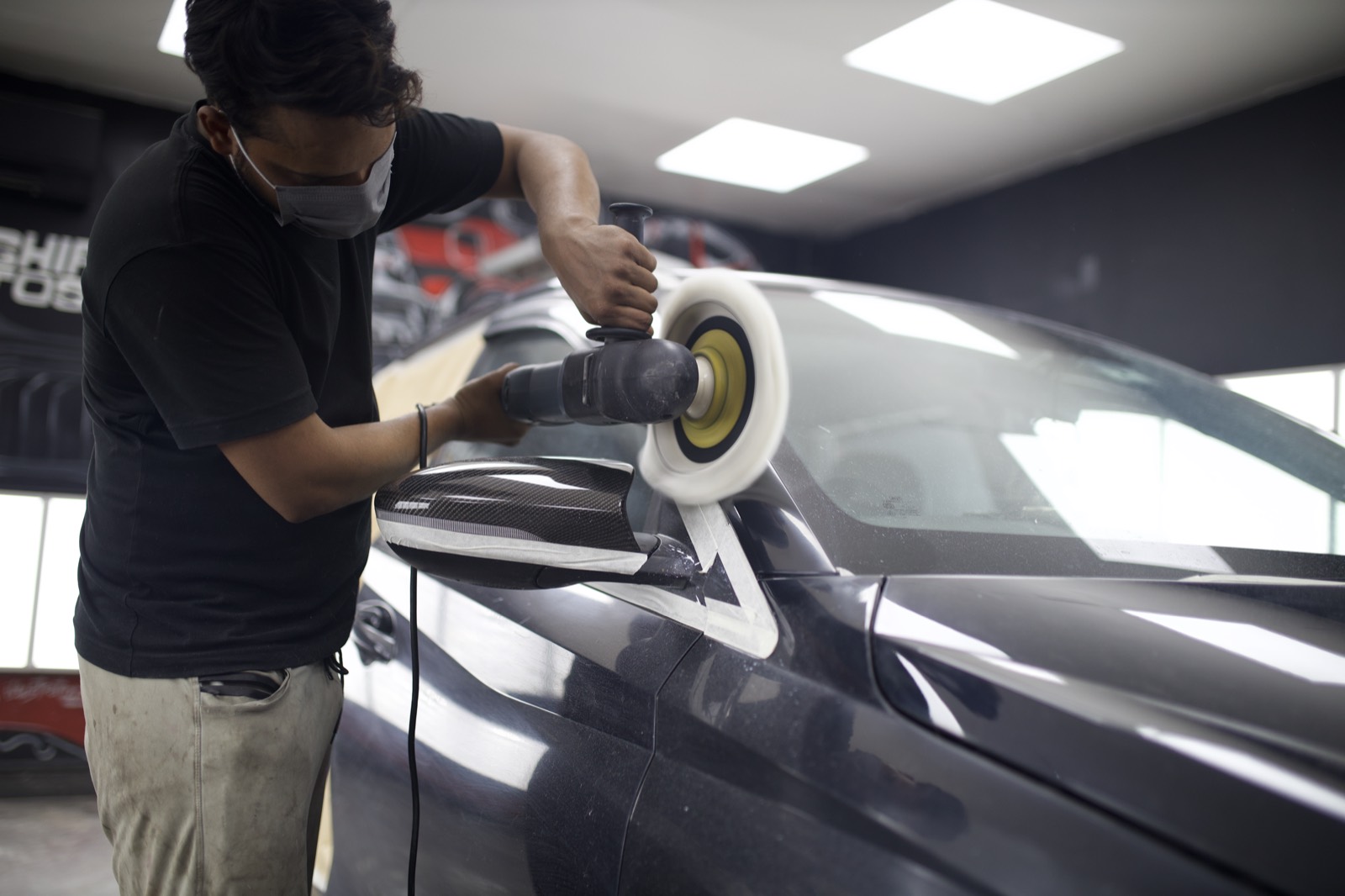
What it is
Paint correction removes a very thin layer of clear coat with machine polishers and graded compounds, taking the paint down to below the defects so the surface is flat again. Swirls from washing, water spots, light scratches and haze go, and the paint reflects clearly.
It is done in stages. A single stage is one polishing step for gloss and light marks. Two and three stages start with a cutting compound for deeper defects and finish with progressively finer polishes.
It is also the step before film or a coating, because both seal in whatever is on the surface.
Who it is for
- Paint that looks dull or covered in swirls in sunlight
- Dark colours that show every wash mark
- Any car about to get PPF or a coating
- Used cars before sale, or after purchase
How the job runs
Inspection and paint depth
Paint thickness is measured across the car so we know how much clear coat there is to work with. Repainted panels show up here.
Wash and decontamination
Iron fallout, tar and bonded dirt come off so the polisher is not dragging grit across the paint.
Test section
One area is corrected first to find the least aggressive combination that gets the result.
Correction
Each panel is worked in stages with high-speed and dual-action polishers, with trim and edges taped off.
Inspection under light
Every panel is checked under specialist lighting, and paint depth is measured again.
Protection
Corrected paint should be protected, with a coating, film or both, or the swirls come back.
From the floor
Polishing the wing and bonnet edge, one section at a time 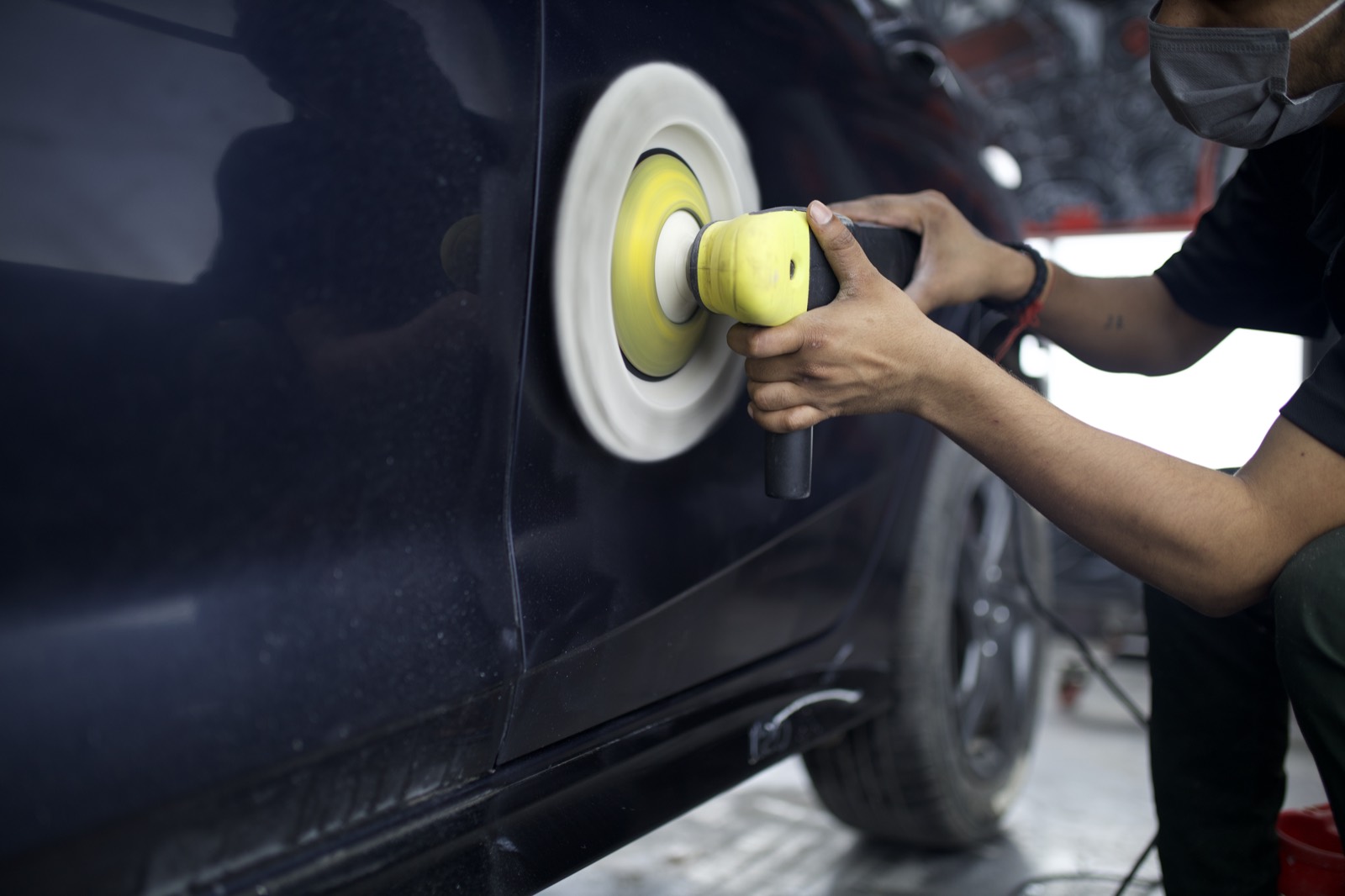
A finishing pad on the door, after the cutting stage 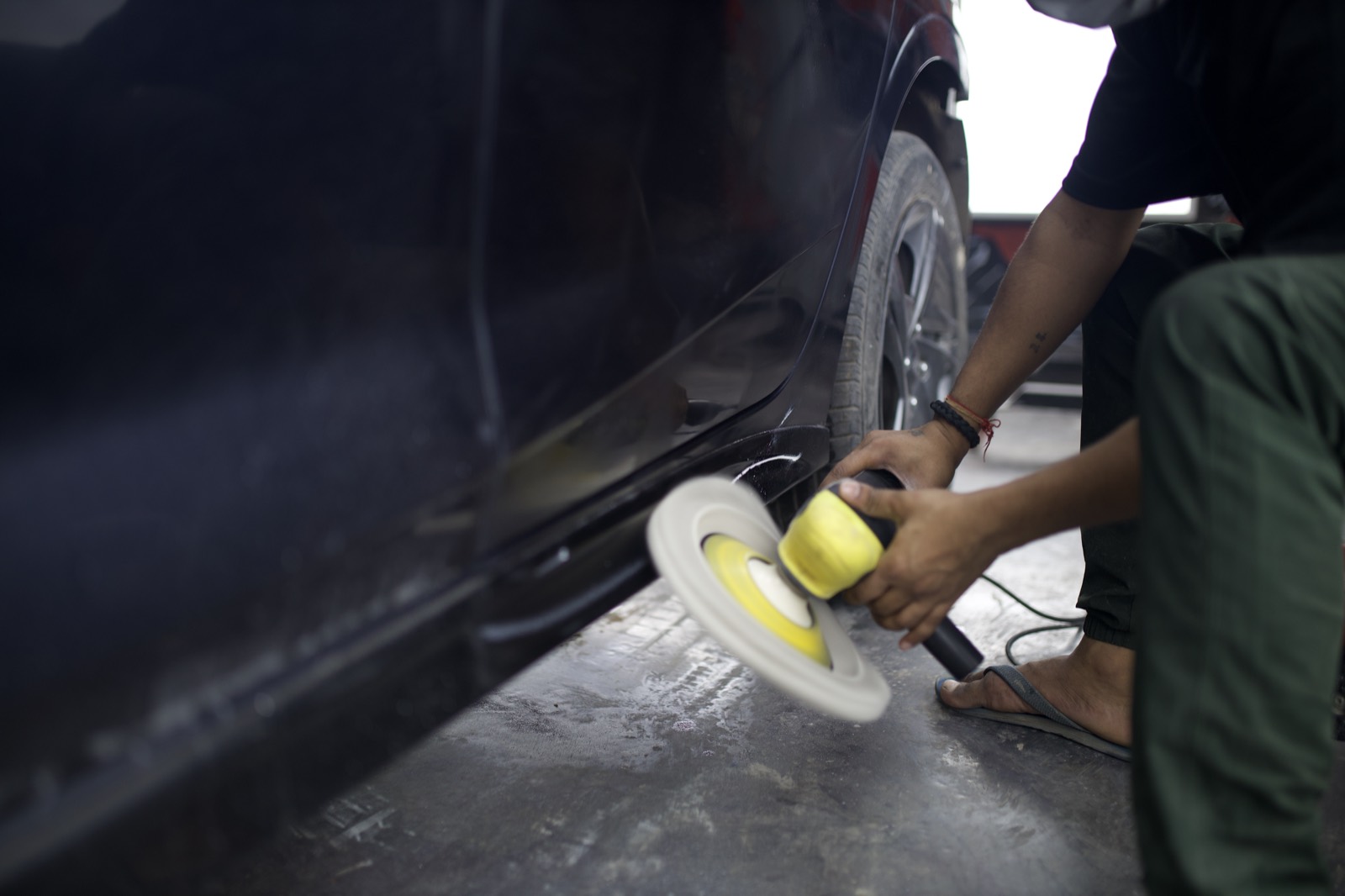
Lower door and sill, where road grit leaves the heaviest marks
What goes on the car
We name the exact product, its specification and its warranty in writing on your estimate, so you know what is going on the car before you approve the work.
Options
Aftercare
- Protect the paint after correction, with a coating or film, or the marks return.
- Wash with two buckets and a clean mitt; most swirls come from washing.
- Avoid automatic brush washes and dry dusting.
What it will not do
- Scratches deep enough to catch a fingernail may not come out without a repaint.
- Correction removes clear coat; paint that is already thin is corrected conservatively, and we tell you before starting.
- Stone chips are missing paint. Polishing does not fill them.

Photographed in the workshop. New builds go up on Instagram first, often while the car is still in the bay.Latest work on Instagram, @upshiftautos →All builds →

Questions
Paint correction, asked and answered.
How long does paint correction take?
Depending on the stage and the size of the car, typically one to three days. A single-stage correction on a sedan takes about a day; a full three-stage correction on an SUV can take two to three. You get the exact timeline when we see the car.
Will it remove every scratch?
It removes defects that sit within the clear coat: swirls, water spots, haze and light scratches. A scratch that catches your fingernail has usually gone through the clear coat and needs paintwork, not polishing.
Does correction thin the paint?
It removes a very small amount of clear coat, which is why we measure paint depth first and use the least aggressive method that works. Done properly, a car can be corrected more than once in its life.
Should I correct before PPF or coating?
Yes. Film and coatings lock in whatever is underneath, so any swirl left in the paint stays under the protection.